
My Country Nepal Essay in English
A complete essay on My Country Nepal written in simple English for students of Class 8, 9 and 10. Covers geography, culture, history, people and the beauty of Nepal.

My Country Nepal Essay in English
Introduction#
Nepal is my country and I am proud of it. It is a small landlocked country situated in South Asia, lying between two giant neighbors — India and China. Despite being small in size, Nepal is incredibly rich in natural beauty, cultural diversity, and historical heritage. From the towering peaks of the Himalayas in the north to the flat, fertile plains of the Terai in the south, Nepal holds within its borders some of the most breathtaking landscapes on earth.
What makes Nepal truly special is not just its geography but its soul — the warmth of its people, the depth of its traditions, and the resilience it has shown through centuries of change. For anyone who has lived here or even visited once, Nepal leaves a mark that is very hard to forget.
Geography and Nature#
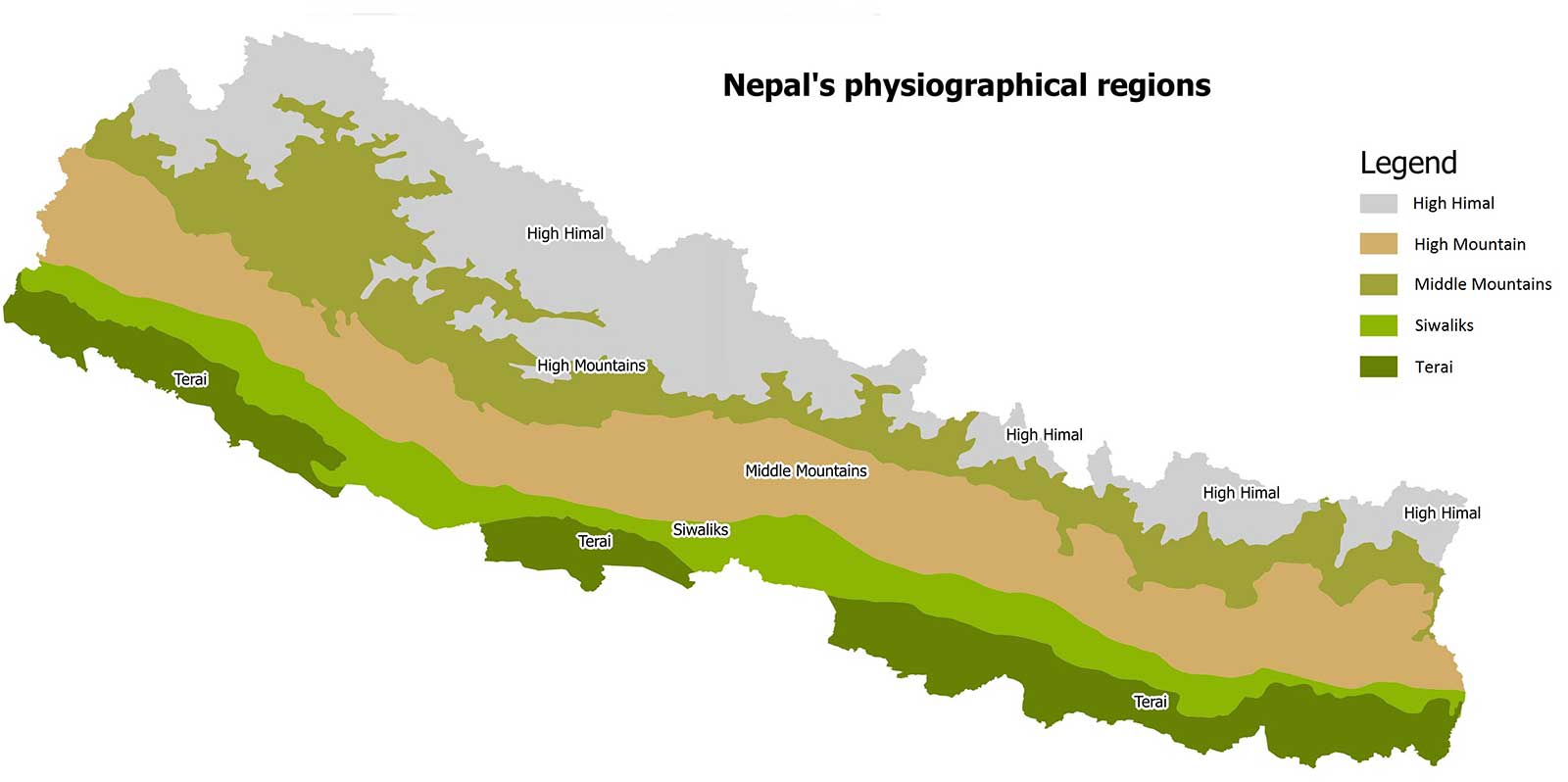
Nepal covers an area of about 147,181 square kilometers and is home to more than 30 million people. The country is divided into three main ecological zones — the Himal (mountain region), the Pahad (hilly region), and the Terai (plains region). Each zone has its own climate, lifestyle, and beauty.
The most famous geographical feature of Nepal is undoubtedly the Himalayas. Nepal is home to eight of the world's fourteen highest peaks, including Mount Everest — the highest point on earth at 8,848.86 meters. Every year, thousands of mountaineers and trekkers from around the world come to Nepal to experience these magnificent mountains. The Annapurna Circuit, Langtang Valley, and Everest Base Camp are among the most popular trekking routes in the world.
Beyond the mountains, Nepal has stunning rivers, dense forests, national parks, and wildlife reserves. Chitwan National Park and Bardia National Park are famous for one-horned rhinoceroses, Bengal tigers, elephants, and hundreds of species of birds. The natural richness of Nepal is something every Nepali carries with deep pride.
History and Culture#
Nepal has a long and proud history. It was never colonized by any foreign power, which makes it unique among South Asian nations. The country was unified by King Prithvi Narayan Shah in the 18th century, bringing together many small kingdoms into one nation. This history of independence has shaped the spirit of Nepali people in a very deep way.
Culturally, Nepal is one of the most diverse countries in the world. It is the birthplace of Siddhartha Gautama — the Lord Buddha — who was born in Lumbini around 563 BC. Lumbini is today a UNESCO World Heritage Site and one of the most sacred pilgrimage destinations for Buddhists worldwide. Nepal is also home to Pashupatinath Temple, one of the holiest Hindu shrines in the world, located in Kathmandu.
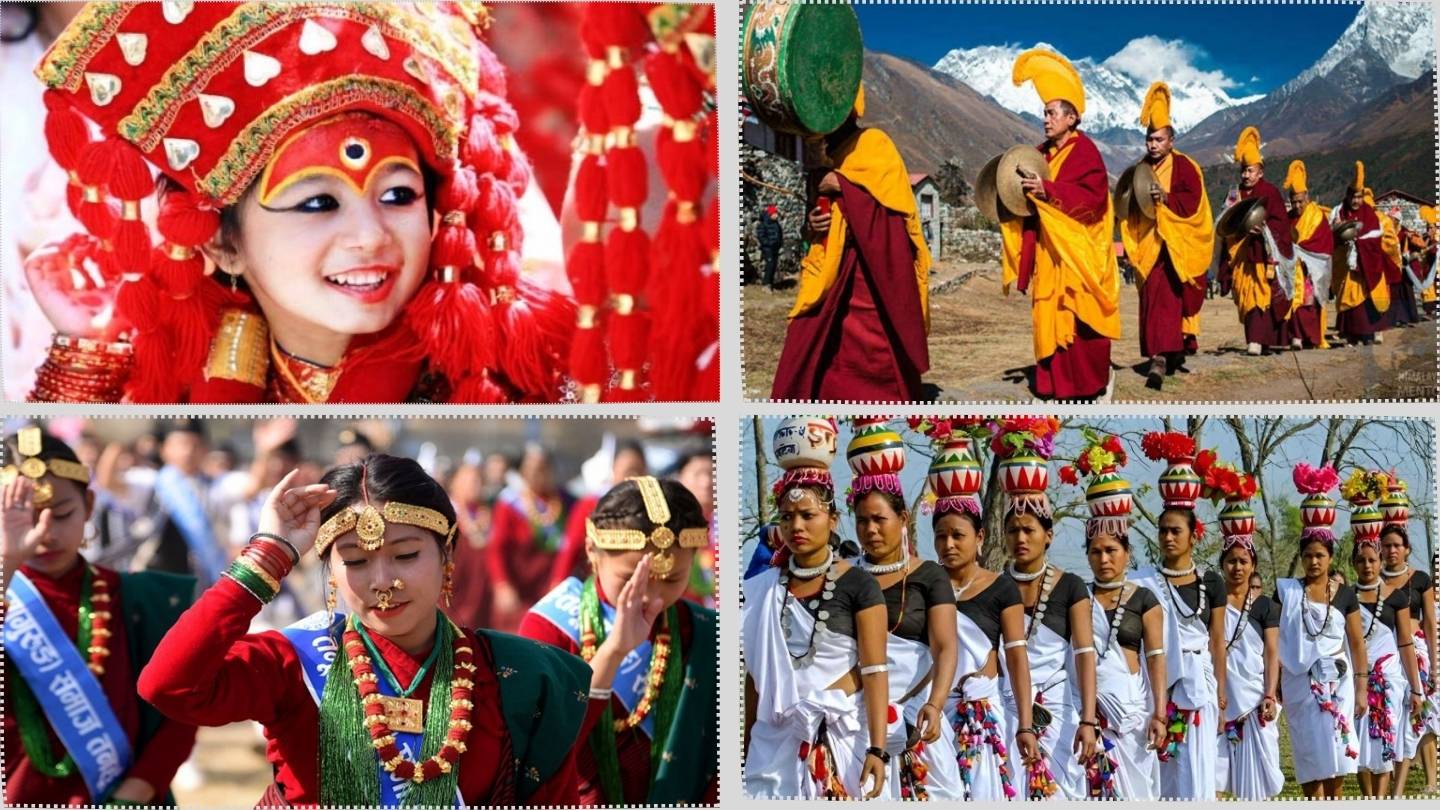
The people of Nepal celebrate dozens of festivals throughout the year. Dashain, Tihar, Chhath, Eid, Christmas, and Losar are all celebrated here with great joy and community spirit. This festival culture reflects the beautiful harmony that exists among Nepal's many ethnic groups, languages, and religions.
People and Language#
Nepal is home to more than 120 ethnic groups and over 120 languages. The major ethnic communities include Brahmin, Chhetri, Newar, Tamang, Gurung, Magar, Rai, Limbu, Tharu, and many more. Each community has its own traditions, dress, food, music, and way of life, making Nepal a deeply colorful and layered society.
Nepali is the official language and is spoken and understood across the country. But walking through different regions, you hear the richness of local languages — Newari in the Kathmandu Valley, Maithili in the eastern Terai, Tamang in the hills around Kathmandu, and many others. This linguistic diversity is one of Nepal's greatest treasures.
Nepali people are widely known for their hospitality. The phrase "Atithi Devo Bhava" — meaning the guest is god — reflects a deeply rooted cultural value. Whether you visit a village home in the hills or a city apartment in Kathmandu, you will almost always be welcomed with tea, food, and a genuine smile.
Challenges and Progress#
Like every developing country, Nepal faces its share of challenges. Poverty, unemployment, political instability, and outmigration of youth are real issues that the country is working to address. The devastating earthquake of 2015 caused massive destruction and loss of life, but the way Nepal rebuilt itself showed the extraordinary strength of its people.
In recent years, Nepal has made significant progress in education, healthcare, and infrastructure. Literacy rates have improved, more roads and bridges have been built in remote areas, and access to electricity has expanded across the country. Hydropower is one of Nepal's biggest natural resources, and several large projects are now generating electricity not just for Nepal but for export to neighboring countries.
Tourism continues to be one of the most important sectors of the economy. Nepal welcomed over a million tourists in recent years, and the numbers are growing. The government has been investing in making Nepal a more accessible and attractive destination for visitors.
Conclusion#
Nepal is a country that is hard to describe fully in words. It is a place where ancient temples stand beside modern cities, where snow-capped mountains reflect in clear river waters, and where people of dozens of communities live side by side with respect and shared identity.
I love my country Nepal not because it is perfect, but because it is mine — with all its beauty, all its struggles, and all its promise for a better future. As young Nepalis, it is our responsibility to work hard, stay honest, and contribute to making this beautiful country even better for the generations that come after us.
Nepal was, is, and will always be — a country worth being proud of.
Subesh Yadav
Writer and educator sharing Nepali essays, poems, literature, and study notes.
Comments (0)
No comments yet. Be the first!
